
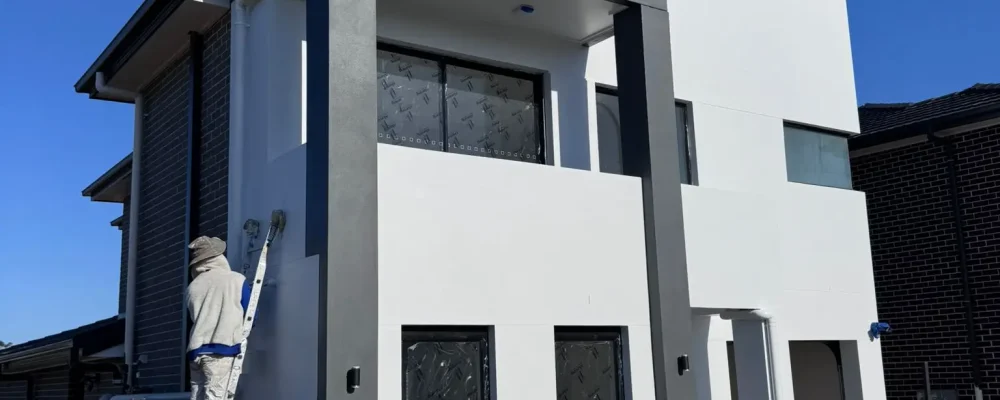
If you’ve been putting off painting your home because it’s winter, you’re not alone. One of the most common questions professional painters hear is whether cold weather will ruin a fresh coat of paint. The short answer is that winter itself isn’t the problem—it’s the weather conditions on the day you paint.
Unlike cities that experience freezing temperatures and snow, Sydney enjoys relatively mild winters. Daytime temperatures are often suitable for many premium paints, which means homeowners don’t necessarily have to wait until spring to refresh their property. In fact, many professional painting companies continue working throughout winter by carefully selecting the right days, using premium products, and following proven application methods.
Whether you’re considering interior painting, exterior house painting, or a complete home makeover, understanding how winter affects paint performance can help you avoid costly mistakes and achieve a finish that lasts for years.
In this guide, we’ll answer the questions Sydney homeowners ask most about house painting in winter, explain how professionals work around seasonal challenges, and share practical advice that goes beyond the generic information you’ll find on most painting websites.
Search online for advice about house painting in winter, and you’ll quickly notice one problem—most articles are written for countries with harsh winters, where freezing temperatures, snow, and prolonged frost make painting almost impossible. Those recommendations simply don’t reflect the reality of painting homes in Sydney.
Sydney’s winter climate is generally mild, with daytime temperatures commonly ranging between 16°C and 20°C, although mornings and evenings can be much cooler. While these conditions are often suitable for painting, professionals know that temperature alone doesn’t tell the whole story.
A successful paint job depends on a combination of factors, including:
Surface moisture after overnight dew
Relative humidity
Rain forecasts
Wind exposure
Hours of daylight
The type of surface being painted
The paint manufacturer’s recommended application temperature
For example, a sunny winter afternoon with dry walls can provide better painting conditions than an extremely hot summer day where exterior surfaces become too hot for paint to level properly.
This is why experienced house painters in Sydney plan projects around weather windows rather than seasons. Instead of asking, “Can you paint in winter?”, professionals ask a much more important question:
“Are today’s conditions suitable for this specific surface?”
That shift in thinking is what separates a long-lasting paint finish from one that begins showing signs of failure only a few years later.
Winter has gained an unfair reputation in the painting industry, largely because of outdated advice and older paint technology. Years ago, many paints required warmer conditions to cure properly, making winter a challenging season for exterior work.
Today’s premium paints are far more advanced.
Modern acrylic coatings used throughout Australia are formulated to perform across a wider range of temperatures, offering improved adhesion, flexibility, and durability when applied according to the manufacturer’s recommendations. That means winter is no longer automatically considered the “wrong” season to paint.
What makes a painting project successful isn’t the month on the calendar—it’s preparation.
Professional painters reduce the risk of winter-related issues by:
Inspecting surfaces for moisture before painting.
Choosing products suited to the expected weather.
Adjusting start times to avoid painting damp morning surfaces.
Allowing sufficient drying and curing time between coats.
Monitoring weather forecasts several days in advance.
In other words, the difference between a successful winter paint job and one that fails often comes down to planning rather than temperature.
For homeowners, the biggest mistake isn’t painting in winter—it’s assuming every winter day offers the same conditions.
If there’s one type of project that’s particularly well suited to winter, it’s interior painting.
Unlike exterior work, indoor environments are far easier to control. Temperature, airflow, and ventilation can all be managed to create consistent drying conditions, allowing painters to focus on achieving a flawless finish rather than constantly watching the weather.
Winter is also when many Sydney homeowners spend more time indoors, making it the perfect opportunity to refresh living spaces that have started to show signs of wear. Repainting walls, ceilings, doors, or trim before spring can instantly brighten a home and create a cleaner, more modern feel without the disruption of a major renovation.
To achieve the best results, professional painters typically recommend:
Maintaining a comfortable indoor temperature throughout the painting process.
Ensuring fresh air circulates by opening windows whenever weather permits.
Reducing excess indoor moisture from bathrooms, kitchens, or laundry areas.
Giving each coat enough time to dry before applying the next.
Choosing a low-quality paint to save money is often a false economy. Premium interior paints provide better coverage, improved washability, lower odour, and a finish that remains attractive for years with minimal maintenance.
For homeowners planning cosmetic upgrades, winter can actually become one of the most productive times of the year.
What Do Painters Do in the Winter?
Many homeowners assume winter is a quiet season for professional painters, but that’s rarely the case in Sydney. While painters may be more selective about exterior projects, winter often becomes one of the busiest periods for interior renovations, preventative maintenance, and preparing homes before the spring property market.
Rather than waiting for warmer weather, professional painters adjust their workflow to suit the season. Every project begins with a detailed assessment of the property’s condition, paying close attention to moisture levels, surface preparation, and the local weather forecast. This careful planning helps ensure the paint performs as intended and delivers a long-lasting finish.
During winter, professional painters commonly work on:
Interior house painting
Ceiling repairs and repainting
Wall restoration after water stains or minor damage
Trim, skirting board, and door repainting
Apartment renovations
Office and commercial painting
Surface preparation for future exterior painting projects
For exterior work, painters simply choose the right weather window rather than avoiding winter altogether. Dry days with suitable temperatures often provide excellent conditions for painting, particularly when surfaces are free from morning dew and rain isn’t expected during the curing period.
Winter also provides homeowners with a practical advantage. Since demand is often lower than in spring, booking a professional painter may be easier, giving you greater flexibility with project scheduling.
There isn’t a single “best” season for every painting project. The right time depends on what you’re painting, the weather conditions, and the quality of preparation.
For interior painting, winter is often the preferred season. Indoor temperatures can be managed, there is less airborne pollen than in spring, and homeowners frequently use the cooler months to renovate before the holiday season or spring property listings.
For exterior painting, both summer and winter offer advantages—and challenges.
Cooler temperatures reduce the risk of paint drying too quickly.
Lower UV exposure helps paint level more evenly during application.
Professional painters are often more readily available.
Ideal for shaded elevations that don’t receive intense afternoon sun.
Shorter daylight hours.
Morning dew can leave surfaces damp.
Rain forecasts require careful planning.
Longer drying times compared with warm weather.
Summer Advantages
Longer working days.
Faster drying between coats.
More consistent daylight for larger exterior projects.
Intense heat can cause paint to dry too quickly.
Hot surfaces may exceed manufacturer recommendations.
Direct sunlight can affect the final finish if not managed correctly.
The conclusion surprises many homeowners:
The best season isn’t always summer—it’s the season with the most suitable painting conditions for your specific project.
That’s why experienced painters monitor the forecast rather than relying on the calendar.
Painting indoors during winter is usually straightforward, but a few simple precautions can make a significant difference to the final result.
The first priority is maintaining a stable environment while the paint dries. Sudden temperature changes or excessive indoor moisture can slow the curing process and affect the finish.
Professional painters recommend following these best practices:
Fresh air helps moisture escape during the drying process. Open windows whenever weather permits, or use exhaust fans in bathrooms and kitchens to improve airflow.
Avoid allowing rooms to become extremely cold overnight immediately after painting. A relatively stable indoor temperature supports proper curing.
Activities such as drying clothes indoors, long hot showers, or boiling large amounts of water can temporarily increase indoor humidity. Where possible, minimise excess moisture until the paint has dried.
High-quality paints generally provide better coverage, improved washability, lower odour, and more reliable performance across changing temperatures.
Winter doesn’t require a completely different painting process—it simply rewards patience and proper preparation.
Even the highest-quality paint cannot compensate for poor application conditions. Starting a project at the wrong time may lead to premature peeling, reduced durability, uneven colour, or expensive repainting.
Professional painters generally postpone exterior work if any of the following conditions are present:
Fresh paint needs sufficient time to dry and begin curing. Rain arriving too soon can wash away uncured paint or leave permanent surface defects.
Walls, timber, and rendered surfaces should always be completely dry before painting. Moisture trapped beneath fresh paint can lead to blistering or peeling over time.
High humidity slows evaporation, extending drying times and increasing the likelihood of paint defects.
Contrary to popular belief, excessively hot weather isn’t ideal either. Paint that dries too rapidly may not level properly, resulting in visible lap marks or inconsistent sheen.
If you’ve read this far, you already know the answer isn’t simply “yes” or “no.”
The better question is:
Is today the right day to paint?
If surfaces are dry, temperatures remain within the paint manufacturer’s recommended range, rain isn’t expected during the curing period, and the correct products are used, winter can be an excellent time to complete both interior and many exterior painting projects.
For homeowners planning renovations before spring or preparing a property for sale, winter often provides the perfect opportunity to refresh the home while avoiding the busy painting season.
If you’re unsure whether conditions are suitable, consulting an experienced house painter in Sydney is always the safest approach. A professional assessment can help prevent costly mistakes and ensure your investment delivers a beautiful, long-lasting finish.
Get A free Quote today by either filling up a form or calling us directly
Your trusted local expert in residential and commercial painting. From interiors to exteriors, we bring quality craftsmanship, attention to detail, and a vibrant finish to every project.
Copyright 2025 Magic Hand Painting & Decoration All Rights Reserved | Designed by Nexsewa